

The Washington, D.C. Riot of 1919 Documentary Companion Guide
Publication Details
Publisher: TPNewsroom Publishing
Series: The Truth Project Companion Guide Series
Length: 32 Pages
Format: PDF Download
ISBN: 9798278986478
Use: Classroom or personal study
The story of Washington, D.C. in 1919 is not just a riot story. It is a story about a country coming out of war, a city carrying national symbolism, and a society that was already tense before a single rumor hit the street. The summer of 1919 became part of what later got called the Red Summer, a period when racial violence erupt- ed across the United States. What makes Washington different is the location. This was not a distant town where the rest of the country could look away. This hap- pened in the capital.
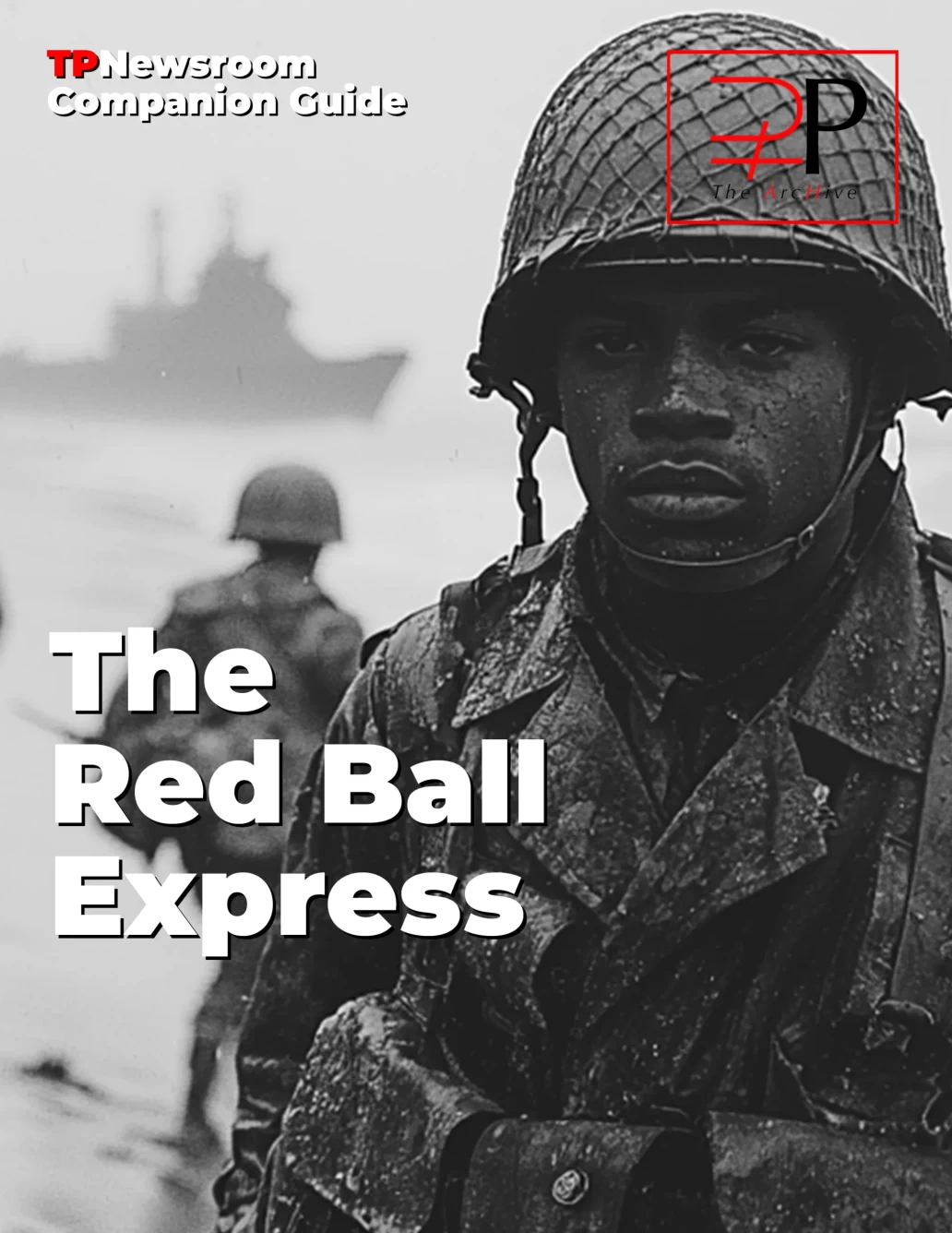
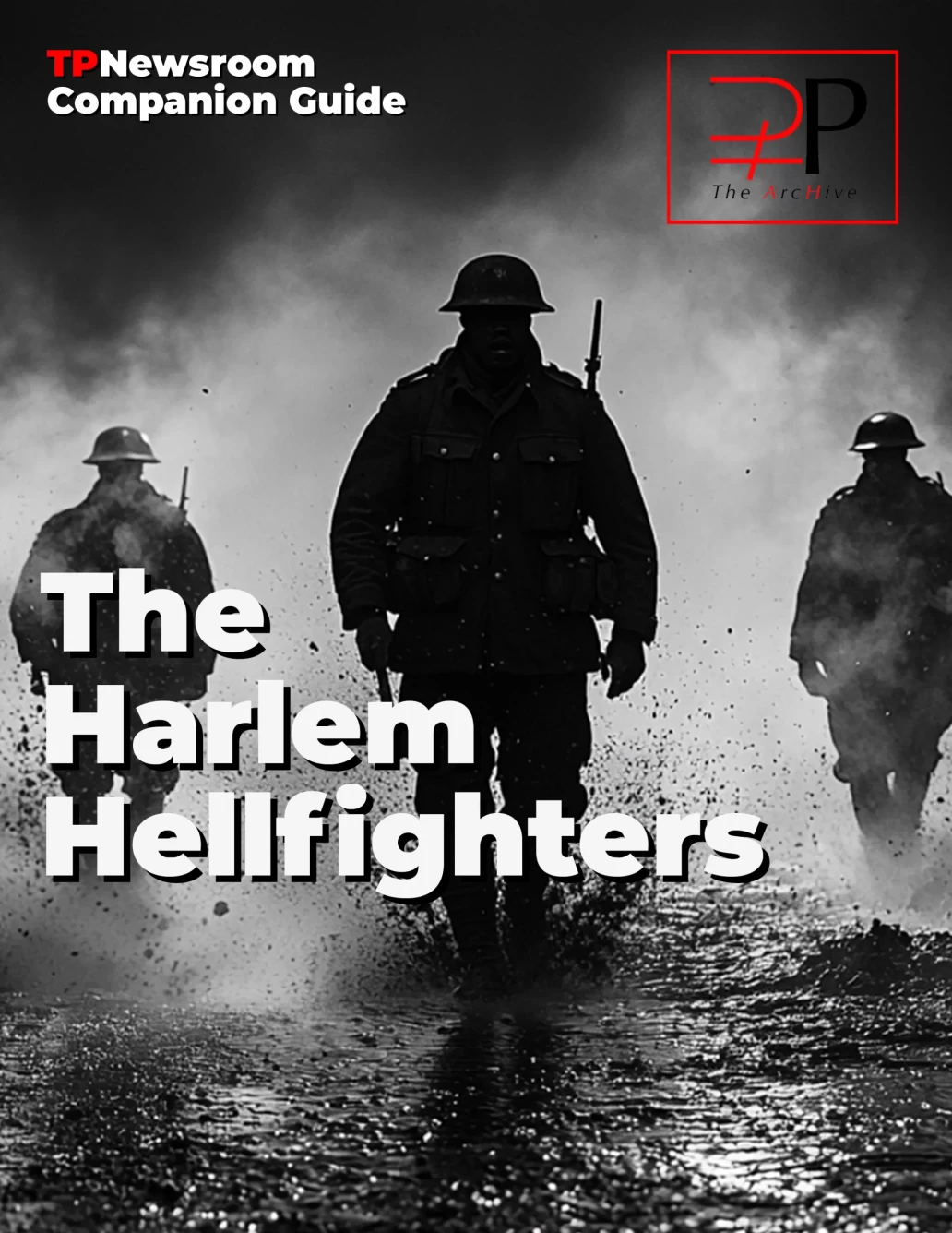
Several pressures collided at once. Black soldiers returned from World War I with expectations that their service would mean something. They had worn the uni- form, fought overseas, and came home hoping the country would respect them as full citizens. Instead, they came back to segregation, discrimination, and a social or- der that still expected them to stay in a controlled place. That gap between what was promised and what was real created frustration, and it also created clarity. Many Black veterans were no longer willing to accept the same treatment quietly.
At the same time, the Great Migration was reshaping cities. Millions of African Americans moved from the rural South to Northern and Midwestern urban areas looking for safety and better pay. Washington, D.C. was part of that shift. New ar- rivals meant new competition for jobs and housing. In a stable economy, competi- tion can be managed. In an unstable economy, it turns into resentment fast. After the war, unemployment rose, wages were pressured, and fear found an easy target. Add propaganda to that mix and you get an environment ready to explode. White supremacist messaging painted Black people as threats to social order, economic stability, and public safety. Newspapers and politicians amplified these themes, es- pecially the most dangerous one, the myth that Black men were a threat to white women. That narrative is not just racist. It is functional. It has been used for genera- tions as a justification for violence.
Background Overview – Clear, accessible context that explains the function, the people involved, and what made it necessary.
Key Themes – Major ideas that help readers understand the overall policy.
Vocabulary and Terms – Important words, roles, and concepts used throughout the story to support comprehension and informed discussion.
Guided Questions – Prompts designed for classroom use, group conversation, or personal reflection that encourage critical thinking rather than simple answers.
Assignments and Activities – Structured, ready-to-use tasks that reinforce under-standing.
Connection to the Present: How the subject relates to modern issues, society, and ongoing conversations.
This downloadable PDF companion guide is designed to support structured learning and classroom discussion around the Washington, D.C. Race Riot of 1919 and the broader wave of racial violence known as the Red Summer. The material is organized for easy reference, allowing readers to move from historical context to guided analysis and discussion. The guide can be used for individual study, group learning, or as a companion resource alongside The Truth Project documentary examining the events of 1919, the role of media narratives, returning Black veterans, and the racial tensions that erupted in the nation’s capital.
• College and advanced high school students studying U.S. government, political science, or constitutional law
• Educators looking for structured classroom discussion materials
• Independent learners interested in how U.S. elections function
• Readers who want a deeper explanation of the Electoral College beyond basic summaries
• Anyone exploring debates about representation, voting systems, and democratic institutions