

The Ripple Effect
-News and Commentary-
Operation Wetback: How a 1954 Strategy Still Shapes the Immigration Debate Today
By TP Newsroom Editorial | Ripple Effect Division
There’s a moment in American history when the country shifted from relying on Mexican labor to treating the same presence as a threat that needed to be removed. It didn’t happen gradually. It didn’t unfold across decades. It arrived in a single summer when the federal government launched one of the largest mass deportation campaigns in modern U.S. history. What makes that moment stand out isn’t just the scale of the operation. It’s the contradiction sitting underneath it. The United States had spent years building a system that depended on Mexican workers, and then it turned around and responded to the consequences of that system with force. Understanding that contradiction is the only way to understand what Operation Wetback actually was.
The early 1950s carried a specific type of tension. The country was growing fast. Businesses were expanding. Agriculture was pushing toward higher yields to meet rising demand. At the same time, the public conversation around immigration was starting to shift. Concerns about wages and job competition were becoming louder. Newspapers ran stories about undocumented workers entering through the same routes braceros used for legal travel. Politicians talked about border control as if it was the only way to restore order. None of these arguments were new. They were the same anxieties that appear every time the economy leans heavily on migrant labor. But in 1954, those anxieties reached a point where the federal government felt pressure to respond in a way people could see.
The Bracero Program was still running when Operation Wetback was announced. Millions of contracts had been issued. Farms across the Southwest depended on Mexican workers for planting, picking, sorting, and hauling. Large growers had built their schedules, wages, and staffing models around the assumption that braceros would return each season. But that dependency didn’t exist in isolation. When employers realized they could bring in legal workers through the program and then supplement that labor with undocumented workers who were cheaper and easier to control, the line between legal and illegal labor blurred. The system created by the government and the system created by growers overlapped until it became difficult to separate them.
This overlap fueled the public panic. Some Americans believed undocumented workers were entering in numbers that threatened wages. Others believed they were straining social resources. Many didn’t understand the mechanics of the Bracero Program at all. They only saw movement across the border and assumed it was unauthorized. The complexity of the system never reached most people. What they absorbed instead was the idea that something needed to be done. That pressure shaped the political moment, and the Eisenhower administration decided it needed to make a visible shift.
Operation Wetback wasn’t introduced quietly. It was framed as an assertive campaign to restore control over the border. INS Commissioner Joseph Swing led the effort with the support of the Border Patrol, state police, and local law enforcement. The announcement carried a tone of urgency, as if the country was facing an immediate crisis. What followed was a series of coordinated sweeps across border states. Agents set up roadblocks. They moved through neighborhoods early in the morning. They entered workplaces, fields, and loading docks. They detained people based on appearance and accent, often demanding proof of citizenship on the spot. It didn’t matter if a person had lived in the United States for years or if they were a citizen. The burden shifted to the individual to prove they had the right to stay.
For people living in Mexican and Mexican American communities, life changed almost overnight. Leaving home meant taking a risk. Driving to work meant passing checkpoints. Walking down the street meant being questioned by an officer who didn’t know or care whether the person standing in front of them was a citizen. The fear wasn’t limited to undocumented workers. It spread through entire neighborhoods because the distinction between legal status and perceived status didn’t exist in the eyes of enforcement. Families learned to carry documents everywhere. Some stayed inside during the sweeps. Others watched relatives disappear into detention buses without any clear information about where they were being taken.
The operation moved fast, and the numbers reported to the public painted a picture of sweeping success. Newspapers ran headlines about thousands of deportations each week. Officials claimed the border had been brought under control. The public saw images of Border Patrol agents escorting groups of men onto buses, trains, and ships. These images were meant to show that the federal government had regained authority. What those images didn’t show were the conditions people faced during transport or the disorientation of being dropped into parts of Mexico they had never been to. They didn’t show the families separated or the citizens who were detained without cause. They only showed the performance of enforcement.
This is the part of the story that mirrors the contradiction sitting under the Bracero Program. The country needed Mexican labor to sustain its agricultural system. It relied on that labor for years. But when the public grew frustrated with the consequences of the same system the government built, it responded by targeting the workers instead of addressing the structure. Operation Wetback was presented as a solution, but in reality it was a reaction to a problem created by overlapping policies that never aligned.
What makes this moment important isn’t just the scale of the deportations. It’s the way the operation reshaped how the country viewed Mexican labor, migrant communities, and the border itself. It created a precedent for large scale enforcement. It reinforced the idea that immigration could be treated as a security issue rather than a labor or policy issue. It set expectations for how future administrations would respond when public pressure demanded action. And it left a long shadow over the communities that lived through it.
This is where the story begins. Before the numbers. Before the tactics. Before the long term impact. It starts with a country that built a system it couldn’t control, a public that demanded action, and a government that chose a highly visible demonstration of authority. Understanding that starting point is the key to understanding everything that followed and the way it connects to the debates we’re having now.
If this work helped you understand something more clearly, support it by:
Buying the books | Visiting the Newsstand | Making a donation
One voice. One message. One Goal. Truth.
No spam. No schedules.
The Truth is Underfunded. That's Why This Exists.
No ads. No sponsors. No filter. Just the truth, unpacked, explained, and raw.
Defining Policy. Power. Consequence.
See how to add us to your home screen
When Operation Wetback moved from a political idea to a planned federal action, the structure behind it looked more like a military campaign than an immigration effort. The United States didn’t treat this like a routine enforcement operation. It treated it like a show of force meant to prove to the public that the government was taking control of the border. The machinery that formed around the operation reflected that mindset. Every part of the plan focused on speed, visibility, and volume. The goal wasn’t just to remove people. It was to demonstrate authority in a way that people would notice.
INS Commissioner Joseph Swing was the architect of the operation. Swing wasn’t a civilian bureaucrat. He had a military background, and he brought that discipline and structure into the plan. He believed immigration enforcement needed the same order and precision that defined military operations. Under his leadership, the INS coordinated with the Border Patrol, state police, sheriffs’ departments, local officers, and in some cases even military personnel positioned near the border. The operation wasn’t built around one agency. It relied on layers of law enforcement working together in a way that hadn’t been attempted before in immigration policy.
The plan focused on strategic movement. Agents were instructed to saturate border towns and agricultural regions where they believed undocumented workers were concentrated. They set up roadblocks on major routes and secondary roads. They positioned patrols at bus stations, train depots, and highway intersections. They used trucks, jeeps, and aircraft to monitor movement along the border. The machinery worked like a tightening net. As agents moved through communities, the pressure increased on anyone who looked like they might be part of the group being targeted.
Raids were a central part of the operation. Officers entered fields during harvest shifts. They walked into packing sheds and processing plants. They stepped into residential neighborhoods early in the morning. Workers were often approached without warning and told to produce documents on the spot. The process wasn’t orderly. It wasn’t consistent. It wasn’t built around due process. It was built to identify, detain, and remove as many people as possible within a short window of time. Anyone who hesitated or didn’t have paperwork immediately available risked being taken into custody. Even citizens struggled under this system because the assumption often worked against them.
The machinery also included a public relations component. Photographs were taken. Reports were written. Press releases emphasized large numbers and coordinated action. The federal government wanted the campaign to be seen as successful, and the machinery reflected that goal. Local newspapers printed images of Border Patrol agents escorting groups of men into buses. Statements highlighted efficiency, discipline, and control. The performance mattered as much as the execution because the operation was designed to reassure the public that immigration enforcement was being taken seriously.
What made the machinery effective wasn’t its fairness or accuracy. It was the scale and coordination. For the first time, immigration enforcement operated like a tactical operation meant to produce immediate, visible results. The machinery didn’t address the structural issues that led to the rise in undocumented labor. It didn’t solve the economic forces that encouraged employers to hire workers outside the Bracero Program. It didn’t review the policies that created overlapping systems. It focused entirely on appearances and removal. That focus shaped every part of the operation and every decision made in the field.
This machinery didn’t exist before Operation Wetback, but it laid the groundwork for how future enforcement campaigns would be structured. Large scale coordination. Tactical pressure. Public displays of authority. A system that prioritizes control over clarity. Understanding this machinery is essential because it reveals how the operation functioned beneath the headlines and how the structure echoed through future immigration actions long after 1954.
The machinery behind Operation Wetback didn’t operate in a vacuum. It sat on top of a set of political pressures, economic contradictions, and public anxieties that had been building for years. Understanding those forces is the key to understanding why the government moved toward a mass deportation campaign instead of addressing the structural flaws in the labor system it had spent more than a decade expanding. The policy roots didn’t form overnight. They were shaped by the uneasy relationship between the Bracero Program, public opinion, and the economic dependency that existed across the Southwest.
One of the strongest forces behind the operation was pressure from labor unions. Organized labor had been arguing for years that undocumented workers were depressing wages and weakening the bargaining power of American workers. These arguments weren’t new. They surfaced every time employers found cheaper labor outside the domestic workforce. But during the early 1950s, the complaints grew louder. Unions believed growers were using undocumented workers intentionally because they were easier to control. Workers hired outside the Bracero Program didn’t have contracts, protections, or the ability to challenge conditions. That imbalance made them more vulnerable, which also made them more attractive to employers.
Growers, meanwhile, operated in a different reality. They depended on the Bracero Program for legal labor, but they also hired undocumented workers when the program couldn’t supply enough people or when the seasonal timing didn’t line up with their harvest schedules. They argued they needed flexibility. They didn’t want to be limited by federal quotas. They wanted the ability to bring in as many workers as the crops required. This tension created a situation where the agricultural industry relied on two systems at the same time. One was legal and regulated. The other was informal and unregulated. The government’s policies encouraged the first system and tolerated the second, even as the public grew uneasy.
Public anxiety fed the political pressure. Newspapers published stories about rising numbers of undocumented workers entering the country. Commentators talked about jobs being taken from citizens. Some articles exaggerated the problem, presenting migration as a wave that threatened economic stability. People who didn’t understand the Bracero Program assumed every Mexican worker they saw was undocumented. The complexity of the labor system wasn’t part of the public conversation. What people absorbed instead was the idea that the government was losing control. That perception shaped the political landscape and created an environment where a large, visible enforcement action could gain support.
Inside the government, the tension between economic need and public pressure created contradictions. The Department of Labor supported the Bracero Program because it helped stabilize agricultural production. The INS wanted tighter control over undocumented workers. The two goals didn’t always align. When growers demanded more braceros, the Labor Department pushed to expand the program. When the public demanded more enforcement, the INS pushed for crackdowns. The federal government tried to balance both sides without addressing the underlying issue: the country had built an economy that relied on workers who didn’t have the full protection of the law.
Eisenhower’s administration stepped into this environment with a desire to demonstrate authority. The Cold War shaped political thinking during this period, and internal order was seen as part of national strength. Immigration enforcement became an opportunity to show discipline and control. Joseph Swing believed the Border Patrol needed to assert itself in a more structured way. The idea of a coordinated operation aligned with the administration’s broader priorities. It was a way to respond to public pressure, support unions to a degree, and satisfy local officials who wanted clearer enforcement.
The name of the operation reflected the era’s mindset. The government didn’t hesitate to use a derogatory term in official planning. There was little concern about how it would affect Mexican or Mexican American communities. The name reinforced the idea that the operation wasn’t just about enforcement. It was about sending a message. It made clear that the government was willing to embrace a certain level of aggression to show it was responding to the issue.
Another policy root came from the way the government measured success. The INS wanted numbers it could present to the public. High deportation totals created the appearance of efficiency. Officials didn’t distinguish between repeat apprehensions, voluntary departures, and forced removals when they reported statistics. The emphasis was on scale, not accuracy. This approach created incentives for officers to prioritize visible actions over consistent enforcement. It also created a public perception that the operation was removing far more people than it actually was.
What’s important in understanding these policy roots is that none of them addressed the central contradiction driving the situation. The United States needed migrant labor. It built a legal system to bring workers in. It built an economic structure around their presence. But it never reconciled that need with the public’s discomfort or the agricultural industry’s tendency to hire outside official channels. The government responded to the tension with enforcement rather than policy reform. Operation Wetback became the answer not because it solved the problem, but because it satisfied the immediate political demands.
These roots explain why the operation unfolded the way it did. It wasn’t just a response to undocumented migration. It was the product of overlapping systems, competing interests, and public emotions that had been building for years. The policies behind the operation were shaped by fear, economics, and politics. Understanding them is essential because they show how easily enforcement can become a substitute for structural change, and how that choice can shape the experience of entire communities.
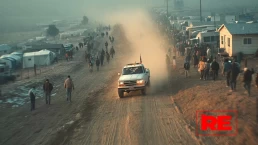
The scale of Operation Wetback becomes clearer when you look at the numbers behind it, but those numbers don’t tell a simple story. The government reported large totals to demonstrate success, and those totals shaped how the operation was remembered. But when you break the statistics down, they reveal a more complicated picture. They show a campaign built on volume, speed, and public perception rather than precise enforcement. They also show how the government relied on inflated figures to present the operation as more effective than it actually was.
The INS publicly claimed that more than 1.1 million “returns” occurred in 1954. On paper, that number was meant to signal that undocumented migration had been dramatically reduced. But historians later examined those records and found that the totals didn’t represent unique individuals. The INS counted voluntary departures, forced removals, and repeat apprehensions all in the same category. If someone was caught, returned, crossed again, and was caught a second time, each interaction was counted as a separate removal. The 1.1 million figure became a talking point, but it didn’t match the lived reality of the operation.
The more accurate estimate of unique individuals removed during the peak of the campaign is closer to 250,000 to 300,000. That’s still a large number, but it changes the scale of what actually happened. The government’s use of inflated statistics wasn’t accidental. Large numbers created the appearance of control. They gave the operation political weight. They reinforced the idea that immigration was being managed effectively. The numbers were part of the performance, just as the images of buses, trains, and patrol lines were part of the visual narrative the government presented to the public.
Transportation played a major role in how the operation was carried out. People were moved by bus along long, hot routes that ran from border towns into the interior of Mexico. Trains carried hundreds of people at a time with little ventilation. In some regions, authorities used ships to move deportees to southern Mexican ports. The most documented example was the SS Mercurio, which carried people in conditions that were harsh and dangerous. The heat inside the ship rose to extreme levels. Ventilation was poor. Food and water were limited. Some passengers died from sunstroke and dehydration. These conditions were rarely mentioned in official reports, but they were part of the lived experience of the operation.
The number of local law enforcement officers involved also shaped the scale of the operation. Border Patrol agents didn’t work alone. They worked alongside state troopers, county sheriffs, and city police departments. The combined effort increased the reach of the campaign dramatically. Officers set up roadblocks far from the border. They patrolled agricultural fields during peak harvest hours. They visited factories, loading docks, and residential neighborhoods. The volume of activity created the impression that undocumented workers could be apprehended anywhere, even in places where migration wasn’t the central concern.
Another figure that helps explain the impact is the number of braceros recruited during and after the operation. Growers felt the effects of the deportations quickly. Fields were understaffed. Harvests fell behind schedule. Some operations couldn’t keep up with demand. In response, the government increased efforts to bring more bracero workers into the United States to stabilize the agricultural workforce. This recruitment created a loop between the two systems: undocumented workers were removed, and legal workers were brought in to replace them. The numbers show that the operation didn’t solve the underlying issue. It shifted the burden temporarily and then returned to the same source of labor it had targeted.
The numbers describe the size of Operation Wetback, but the real impact shows up in the lives of the people who lived through it. The operation didn’t just remove individuals. It reshaped neighborhoods, workplaces, families, and the relationship between Mexican communities and the government. For many, the experience created a sense of uncertainty that didn’t disappear when the sweeps ended. The operation carried a message, and that message stayed with people long after the buses, trains, and ships moved on.
In border towns and agricultural regions, the presence of law enforcement changed the rhythm of daily life. People who had lived in the same neighborhoods for years suddenly became cautious about leaving home. Parents worried about walking to the store. Workers hesitated to travel to their jobs. Children learned early that police approaching their family might not be a matter of safety. The fear didn’t only affect people who lacked legal documents. It extended to citizens and long term residents because the operation blurred the distinction between legal status and appearance. Anyone who looked Mexican became a potential target for questioning.
Families were separated, sometimes temporarily and sometimes permanently. A parent taken during a workplace sweep might end up in a detention facility miles away with no way to contact relatives. People who were removed quickly didn’t always know how to find their way back to familiar cities in Mexico. Some were taken to regions far from home where they had no connections, no work prospects, and no resources. For people who had built routines in the United States, the removal didn’t just interrupt their lives. It disoriented them. The forced relocations created financial strain, emotional stress, and long term instability for families who were already navigating difficult conditions.
The operation also changed the dynamic within workplaces. Agricultural employers faced immediate shortages. Crops ripened before they could be harvested. Fields sat empty. Workers who remained found themselves carrying heavier workloads or negotiating new expectations. Some employers tried to replace deported workers with local labor, but the wages and conditions offered didn’t attract enough people to fill the gap. As the shortages grew, pressure increased on the government to expand recruitment through the Bracero Program. The operation didn’t solve the labor issue. It exposed how deeply the country depended on the workers it had just removed.
For workers who lived legally in the United States, the operation created a sense of vulnerability that didn’t align with their legal status. People learned that carrying documents was necessary even for small errands. They understood that an officer’s suspicion could override the truth. This shifted the relationship between Mexican American communities and law enforcement. Trust eroded. Encounters with officers were viewed with caution rather than confidence. The event created a historical memory in these communities that shaped how future generations understood their place in the country.
People who were deported faced practical challenges once they arrived in Mexico. Many had spent years working in the United States. They had families across the border. They had developed routines and networks that supported their lives. Deportation severed those ties. Some returned to rural towns with limited job opportunities. Others arrived in regions they had never visited. The lack of resources made it difficult to start over. The removal didn’t just move them physically. It altered their ability to maintain financial stability and support their families.
In some cases, deportees attempted to return to the United States through the Bracero Program or through informal routes. The same economic pressures that brought them north in the first place continued to shape their decisions. These attempts contributed to the repetition seen in enforcement data. Some individuals crossed multiple times during the operation period. The cycle of removal and return showed that the underlying forces driving migration hadn’t changed. Economic need, family ties, and established migration paths remained stronger than the enforcement campaign designed to stop them.
The operation also had a long term cultural impact. It reinforced the idea that Mexican identity was connected to illegality regardless of status. People who had lived in the country for generations were treated as if their citizenship needed to be proven. This created a divide between how these communities were seen and how they saw themselves. The experience became part of the collective memory of Mexican American families. Stories were passed down about the raids, the checkpoints, and the fear that shaped daily routines during that summer.
Another effect of the operation was the normalization of large scale immigration enforcement. Before 1954, mass sweeps of this scale were rare. After the operation, the concept became part of the federal toolkit. Future administrations referenced the operation as an example of decisive action. The tactics, coordination, and public messaging created a template that influenced later enforcement strategies. The operation didn’t remain a one time event. It set expectations about how the government could respond to immigration issues when public pressure demanded action.
The real world impact of Operation Wetback wasn’t limited to the summer it took place. It altered relationships between communities and the state. It strained families on both sides of the border. It disrupted industries that relied on stable labor. It contributed to the stereotype linking Mexican identity to unlawful presence. And it created patterns of enforcement and suspicion that continued in various forms throughout the decades that followed. Understanding these impacts is essential because they explain why the effects of the operation reached far beyond the people who were directly detained and removed.
The legacy of Operation Wetback didn’t disappear when the sweeps ended. The operation left behind a framework for how the United States understands immigration, how it enforces border policy, and how it talks about the presence of Mexican and Latino communities inside the country. You still see the echoes in the debates happening now. The language may change. The political faces may change. But the structure underneath the conversation comes from a pattern the country set in motion decades ago. When you look at today’s immigration landscape, it becomes clear that the country is still responding to the same tensions that shaped the 1954 operation.
One of the clearest connections lies in the idea that immigration is a security issue rather than a labor issue. Operation Wetback reframed migration as a threat that required aggressive enforcement. That framing continues today. Public conversations often focus on control, order, and protection. The economic reality that drove migration in the first place is rarely the center of the discussion. Yet the underlying conditions haven’t changed. The United States still depends on the same type of labor that supported the agricultural economy during the bracero era. Seasonal work still draws migrants north. Industries still struggle to find enough domestic workers willing to take on physically demanding, low wage jobs. The dependency that existed in the 1950s hasn’t been resolved. It’s been pushed to the margins of the conversation.
The stereotype created during the operation also shaped how people interpret migration today. In 1954, enforcement didn’t distinguish between undocumented migrants, braceros, citizens, or long term residents. The focus was on appearance and assumption. That mindset contributed to the idea that Mexican identity was inherently linked to illegality. Modern debates still reflect that association. It shows up in how communities are policed, in how people talk about border crossings, and in how political rhetoric frames the presence of Latino populations. The operation helped set a narrative that has lasted far longer than the policy that created it.
Another connection is the continued use of large scale enforcement as a political response. When public pressure rises, the instinct to demonstrate control through visible action becomes stronger. The country saw it in the 1980s with workplace raids. It saw it in the 1990s with new border barriers and increased patrols. It saw it after 9/11 when national security concerns shifted attention back to immigration. Each cycle follows a pattern similar to 1954: public anxiety grows, economic and political interests collide, and the government responds with strategies that focus more on appearance than on addressing structural issues.
The contradiction between economic need and political rhetoric is still present. Employers in agriculture, construction, hospitality, and food processing continue to rely on migrant labor. Some of those industries openly call for expanded guest worker programs because they can’t fill positions with domestic workers alone. At the same time, political conversations frame immigration as a crisis that requires strict enforcement. This mismatch creates a system where the economy pulls workers in while policy pushes them out. The same contradiction shaped Operation Wetback. The United States needed workers, but it reacted to public pressure with enforcement rather than with reforms that matched the country’s long term needs.
The debate about the southern border carries another piece of the operation’s legacy. In 1954, the government treated migration as something that needed to be controlled through visible, forceful action. That mindset contributed to the militarization of the border in later decades. Physical barriers increased. Surveillance technology expanded. Patrol presence intensified. The border became a symbol of national identity and political strength. Operation Wetback wasn’t the beginning of that process, but it accelerated a shift in how the government viewed enforcement. Today’s geopolitical discussions about the border, national security, and demographic change follow the path laid out during that era.
Modern immigration proposals also resemble earlier efforts. When politicians suggest employer sponsored visas or temporary worker programs, they’re revisiting the logic that shaped the bracero system. When they discuss mass deportation as a response to public fear, they’re echoing the mindset behind the 1954 operation. These proposals aren’t new. They’re variations of strategies that have been used before. The political conditions may shift, but the ideas return because the underlying structure hasn’t changed. The country still hasn’t resolved the tension between economic dependency, public perception, and policy design.
Current geopolitical debates about immigration often focus on the immediate moment. They look at border crossings, asylum requests, and shifts in migration patterns without acknowledging the history that shaped them. But today’s challenges are tied to the systems built generations ago. The bracero program created long term migration routes. Operation Wetback introduced large scale enforcement tactics and tied Mexican identity to illegality. Later policies expanded those patterns rather than replacing them. What looks like a modern crisis is often the result of unresolved conflicts embedded in the foundation of U.S. immigration policy.
This connection matters because it changes how you interpret the present. The country isn’t facing something new. It’s facing the continuation of a cycle that started with two contradictory systems: one designed to bring workers in and another designed to remove them. That conflict shaped enforcement, public perception, and the lived experience of migrant communities. It continues to shape how people talk about the border, who gets blamed for economic shifts, and how political leaders respond to public pressure.
Understanding the present requires looking at the past without separating the two. Operation Wetback didn’t solve the issues of its time, and its legacy still influences how the country handles the issues of today. The patterns remain the same: rising fear, political pressure, large scale enforcement, economic dependency, and public conversations that rarely acknowledge how deeply migration is woven into the structure of the country. Recognizing that continuity is the first step toward understanding the current geopolitical moment and the debates that continue to define it.

When you look at Operation Wetback in the context of the Bracero Program, the larger pattern becomes clear. The United States spent decades building an economic system that depended on Mexican labor. It encouraged movement north through formal agreements. It shaped entire industries around temporary workers. It created migration routes that families followed for generations. And then, when the weight of that system collided with public anxiety and political pressure, the government treated the same movement it helped create as a threat that needed to be shut down. Operation Wetback wasn’t an isolated event. It was the consequence of policies that never aligned and expectations that were never reconciled.
The program removed thousands of people, but it didn’t change the forces driving migration. It didn’t solve the labor shortages. It didn’t address the economic dependency at the heart of agricultural production. It didn’t confront the contradictory reality that the country wanted the benefits of migrant labor without accepting the presence of migrants. The sweeps satisfied the public for a moment, and the government presented the operation as a success. But as soon as the fields fell behind, employers pushed for more braceros. The system returned to the same path it had followed before the sweeps began. The cycle didn’t break. It repeated.
For the communities affected by the operation, the experience left a mark that carried through generations. Families learned that their status, their history, or even their citizenship didn’t guarantee protection when the government wanted to make a statement. The fear that took hold during that summer didn’t disappear. It influenced how people viewed authority, how they navigated their neighborhoods, and how they spoke to their children about belonging in a country where identity could be questioned without warning. The operation didn’t just remove individuals. It reshaped how entire communities understood their place in the United States.
The policy legacy of the operation stretched forward into every major immigration debate that followed. Large scale enforcement became a tool for political reassurance. Border control shifted from an administrative function to a symbol of national strength. Mexican identity became linked to illegality in the public imagination, even when the majority of people affected were long term residents or citizens. These ideas shaped the policies of the 1980s and 1990s. They influenced how the country responded to migration from Central America. They framed the conversations we’re still having today.
When you listen to modern arguments about immigration, you hear the same themes that defined the years leading up to the operation. People talk about jobs, wages, and social resources. They talk about border control and national security. They talk about fairness and rule of law. What rarely gets mentioned is the fact that the structure behind the debate was built decades ago. The tension between economic need and public pressure is the same. The dependency on foreign labor is the same. The political impulse to respond with enforcement instead of structural reform is the same. The story repeats because the country has never addressed the foundation it stands on.
The current geopolitical moment reflects this history. The debates about asylum, border crossings, temporary visas, and demographic change all sit inside a framework created by policies that pulled workers in and pushed them out in alternating cycles. The Bracero Program created routes, relationships, and expectations. Operation Wetback introduced large scale enforcement and shifted public perception. Together, they shaped the border we have now. They shaped the way people think about immigration and the way the government responds when pressure builds. They shaped how the story gets told.
Understanding that connection doesn’t solve the crisis, but it changes how you interpret it. It shows that today’s challenges aren’t sudden or separate. They’re rooted in decisions made more than half a century ago. They’re tied to contradictions the country never resolved. They’re part of a larger pattern that keeps resurfacing because the structure behind it hasn’t been rebuilt. When you look at the present through that lens, the noise surrounding immigration looks less like a new problem and more like an old system returning in a new form.
This is the closing point. The country created a system that depended on migrant labor. It responded to the consequences of that system with enforcement. It repeated the cycle whenever pressure rose. The present isn’t disconnected from the past. It’s the continuation of a story the country wrote for itself, one decision at a time. Recognizing that connection is the first step in understanding the landscape we’re living in now.
U.S. Citizenship and Immigration Services. (2024). History of U.S. immigration policy. https://www.uscis.gov
U.S. Department of Labor. (2023). Bracero Program records and agricultural labor history. https://www.dol.gov
National Archives. (2024). Records on Operation Wetback, 1954. https://www.archives.gov
Library of Congress. (2023). Mexican labor programs and immigration enforcement history. https://www.loc.gov
Migration Policy Institute. (2023). Historical overview of U.S. immigration enforcement. https://www.migrationpolicy.org
Pew Research Center. (2023). Facts on Latino demographics and immigration trends. https://www.pewresearch.org
Department of Homeland Security. (2024). Border Patrol historical data. https://www.dhs.gov
U.S. Customs and Border Protection. (2024). Border enforcement statistics and historical operations. https://www.cbp.gov
Government Accountability Office. (2023). Federal immigration enforcement review. https://www.gao.gov
10. 11. Human Rights Watch. (2023). Legacy of mass deportation in U.S. policy. https://www.hrw.org
National Museum of American History, Smithsonian Institution. (2024). Mexican labor migration and U.S. policy archives. https://americanhistory.si.edu
If this work helped you understand something more clearly, support it by:
Buying the books | Visiting the Newsstand | Making a donation
One voice. One message. One Goal. Truth.
No spam. No schedules.
The Truth is Underfunded. That's Why This Exists.
No ads. No sponsors. No filter. Just the truth, unpacked, explained, and raw.
Defining Policy. Power. Consequence.
See how to add us to your home screen